
Where Tracy City Directories Survive
The confirmed collection is a set of R. L. Polk & Co. volumes for Tracy, San Joaquin County. Catalog leads identify digitized editions for selected years from 1936 through 1981. The Tracy Branch local-history policy also names city and telephone directories, yearbooks, newspapers, maps, family histories, local organization reports, and government documents as non-circulating categories. Exact shelf years need a librarian’s confirmation.
| Collection | Years or span | Where held | Access and use |
|---|---|---|---|
| Polk’s Tracy city directory | 1936, 1937, 1938, 1956, 1959, 1963, 1965-67, 1969-70, 1972, 1976-81 | FamilySearch or Ancestry catalog leads; library policy confirms directories | Alphabetic name, residence, and occupation clues |
| Tracy Press microfilm | 1909 to present | Tracy Branch Library | Obituaries, notices, addresses, civic and business life |
| Tracy Press digitized pages | At least examples from 1972 and 1975 | UC Riverside California Digital Newspaper Collection | OCR and page images; title-wide span not confirmed |
| Sanborn maps | 1892, 1897, 1907, 1911, 1913, 1921, 1945 | Library of Congress | Block, structure, use, and address context |
| Yearbooks and telephone directories | Policy-confirmed collection category; exact years unverified | Tracy Branch local history | School, household, and phone-listing clues |
The table is a coverage map, not a promise that every digital volume opens without an account. A search log should keep the edition year, page, repository, and exact name spelling. That small habit makes a city directory entry easier to test against another source.
Tracy Polk Directory Years
The confirmed Polk run is uneven. Early editions appear in 1936, 1937, and 1938. Later confirmed points include 1956, 1959, 1963, 1965, 1966, 1967, 1969, 1970, 1972, and a near-continuous 1976 to 1981 group. Gaps do not mean a household was absent. They mean the next verified volume has not been found in the catalog evidence used for the build.
The digitized Tracy directory search illustrates how a repository result can lead to a volume, while the year and title still need to be checked.
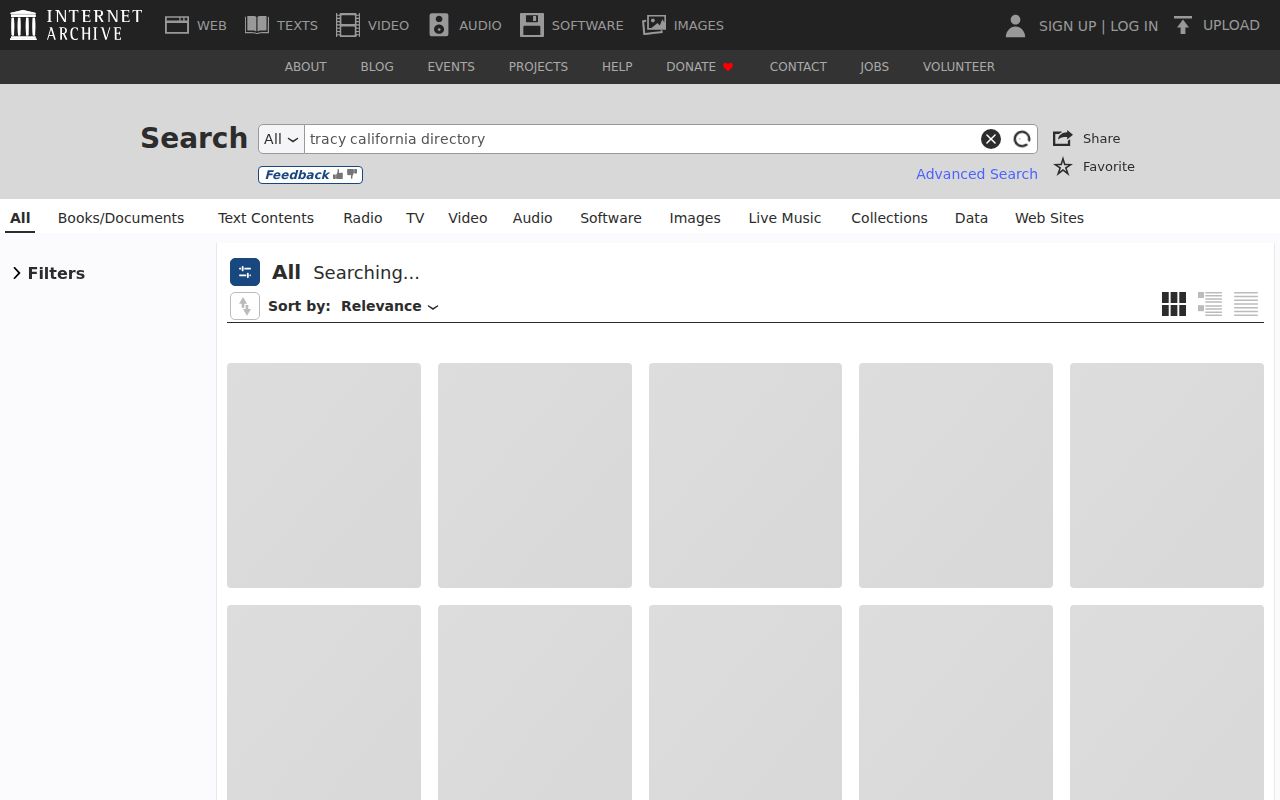
Use the catalog lead to locate the edition, then confirm whether the page is a scan, an index, a library-held copy, or a subscription view. The digitized route saves a trip when it works. The library remains the best place to ask about a missing year, a reverse section, or a title not exposed in the public catalog.
Reading a Tracy City Directory
A city directory entry is a dated social and address clue. A viewable 1956 example reads “Strunk L Roger,” a sixteen-year-old relief attendant at Gil’s Flying A service station, resident at his parents’ Whittier Avenue home. The source itself identifies the inverted “L Roger” as an entry error. That one line shows why a researcher should search initials, given names, and likely spelling variants.
- Name line
- Usually surname first, with given name or initial. Inversions and typographic errors can occur.
- Residence
- The street address or household where the entry says the person resides for that edition.
- Occupation and employer
- A work clue that helps separate same-name people, but is not proof of a home address.
- Household relationship
- A phrase such as resident at parents’ home can connect a young person to a household.
- Owner or renter mark
- Only use a mark when the local volume makes it visible and its abbreviation is confirmed.
The Tracy directory catalog lead helps identify the publisher and volume year before a page entry is cited.
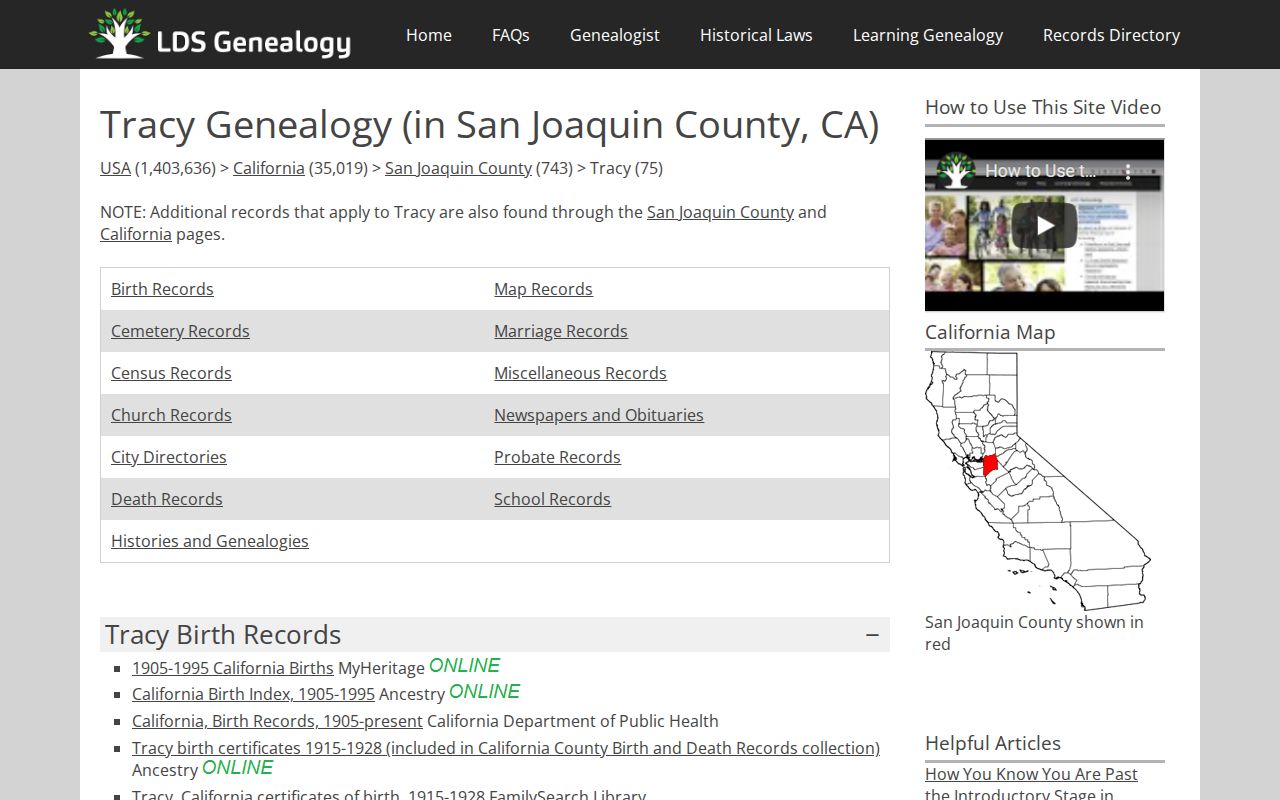
A University of Washington catalog citation also uses a Tracy directory page for a dated civic address. A local abbreviation key was not exposed in the research. Do not turn common Polk conventions into a Tracy-specific claim. Copy the entry exactly, mark uncertain letters, and seek a second edition or newspaper notice.
Tracy Directory Name and Street Sections
The alphabetic section is the usual first pass. Search surname, first name, initials, former name, and a likely employer. If the volume has a reverse or criss-cross section, switch from a person clue to a street clue and scan the house number, neighboring entries, and address variants. Public catalog evidence does not confirm which Tracy years contain a reverse section, so verify the feature in the volume or ask at the branch.
A householder index is an index built around the person treated as the head or principal occupant of an address. A criss-cross directory reverses that path by putting the address first. Neither format is a complete census. A person may be missed because of an initial, a recent move, a renter status, a privacy choice, or a publication gap.
The modern address chain belongs in the county parcel and deed tools. The historical city directory owns the older printed shelf. Keeping those roles separate prevents a directory line from being mistaken for a current property result.
Tracing Tracy Households
Household tracing works best when editions are treated as a timeline. Begin with the name and exact address in one year. Check the nearest earlier and later volumes. Note arrivals, departures, initials, occupations, spouses, and nearby names. Then test each change against a deed or newspaper rather than assuming a move or death from absence alone.
- Transcribe the entry exactly, including initials, occupation, employer, address, and any household phrase.
- Search the preceding edition and the next edition for the same surname, street, and variants.
- Pair 1936 to 1938 entries with the 1940 census; use the 1950 census for later mid-century comparisons.
- Use Tracy Press microfilm for notices, obituaries, business changes, and civic events between directory years.
- Use a deed or recorded map for ownership, then label the directory line as occupancy evidence.
A directory year can show a household at a printed address. It cannot show who lives there now. For modern parcel work, the Tracy by-address record trail takes over.
Tracy Press Between Directories
Tracy Press microfilm at the branch runs from 1909 to the present. Newspaper pages can bridge a directory gap with an obituary, wedding notice, business opening, civic appointment, address, or family reference. At least example pages from 1972 and 1975 are represented in the UC Riverside digital collection, though the full title span was not confirmed.
The Stockton-San Joaquin County Public Library gateway leads to the Tracy Branch and its local-history service.

Search dates around an address change, a family event, and a known directory year. OCR can miss names, so a scan or microfilm page is better than a snippet. Keep survivor addresses and phone details private unless the source clearly publishes them for a public purpose.
Tracy Sanborn Address Context
Sanborn maps add a physical layer before a directory or deed can be read with confidence. Tracy items cover February 1892, December 1897, December 1907, November 1911, August 1913, November 1921, and November 1945. The sheets show blocks, building footprints, uses, and address context. They do not name every occupant.
Use a map to test whether an old street label, lot, railroad feature, hotel, school, or business sat where a later address appears. Pair the block with the legal description, census, newspaper, and directory entry. The map can explain why a house-history trail seems to jump, but it cannot supply a missing year or prove a person lived in a structure.
The Library of Congress Tracy Sanborn collection is the public source for these dated building and block snapshots.
Tracy Library History Shelf
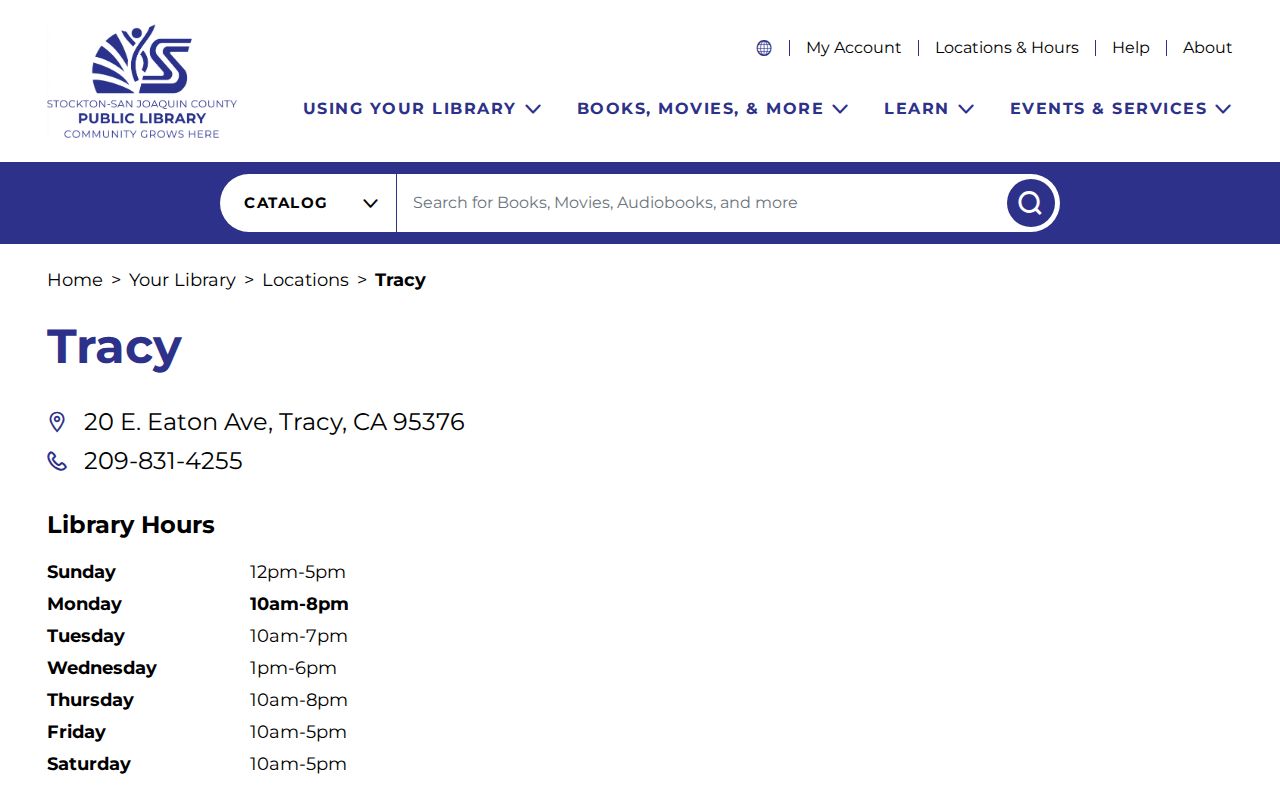
Tracy Branch Library is at 20 East Eaton Avenue, Tracy, and lists (209) 937-8221. Inspected hours are Sunday noon to 5, Monday 10 to 8, Tuesday 10 to 7, Wednesday 1 to 6, Thursday 10 to 8, and Friday and Saturday 10 to 5. The branch has a microfilm reader, scanner, copier, fax, local-history selection, and Tracy Press microfilm.
The Tracy Branch location page is the best place to confirm current hours before planning a shelf visit.
The policy says local history is non-circulating and documents county people, places, industries, and institutions. It also says the library cooperates with the Haggin Museum, county Historical Museum, University of the Pacific, and County Records Center. Ask for the exact Tracy city directory year, reverse section, telephone directory, yearbook, or map rather than assuming a general catalog result proves the shelf copy.
Tracy Historical Society Sources
The San Joaquin County Historical Society and Museum preserves photographs, manuscripts, maps, biographies, and local-history material. Tracy Historical Museum at 1141 Adam Street at 12th, (209) 832-7278, lists Monday and Saturday hours from 10 to 2 and free admission. Its archive can be viewed, and photo copies can be ordered.
The San Joaquin County Historical Society gateway provides the regional archive route for a Tracy family, business, club, or subdivision question.
Holt-Atherton Special Collections at the University of the Pacific adds San Joaquin manuscripts, books, photographs, and Western Americana. Search named people, railroad links, agricultural families, and local organizations. The collection is a context source, not a present household directory.
Tracy Railroad and Civic Names
Tracy’s early record trail follows rail movement. Central Pacific reached the area in 1869. Ellis, a coaling and helper-engine station, had about 45 buildings by 1870. The 1878 junction three miles east drew people and businesses into the new Tracy. Railroad headquarters and equipment moved from Lathrop to Tracy on March 1, 1894, and roundhouse construction began in 1896.
Those place names are search terms. An early household may appear under Ellis, Lathrop, Tulare Township, Tesla, or Corral Hollow. School yearbooks, railroad photographs, civic rosters, and local newspapers can distinguish people with the same surname. A directory search that uses only modern Tracy may miss the first record in the chain.
Tracy City Directory Limits
Directory entries are historical evidence. They are not a title record, a live voter file, or a complete list of everyone at a street address. Gaps in year runs, missing reverse sections, unreadable scans, initials, and errors all change the search result.
Lawful history work. Use Tracy city directories for genealogy, house history, reconnecting, civic history, and estate research. Do not use an old address or household detail to stalk, harass, intimidate, or harm anyone.
For a current owner, use parcel and deed sources. For a current person, verify with an appropriate custodian. For a former household, preserve the edition date and pair the entry with at least one independent record.